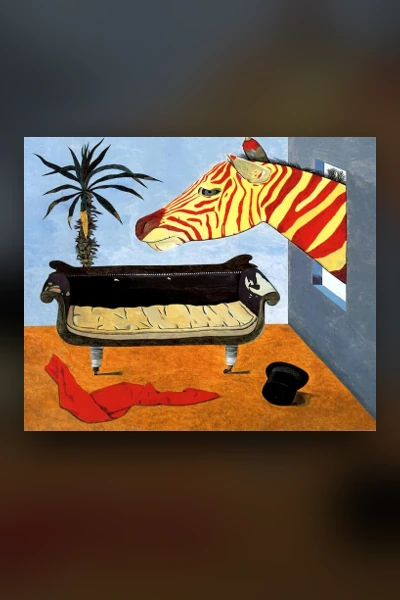
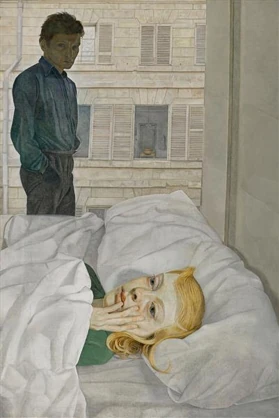
Art often transmits something that has not yet been able to be said or named.
Movie
Le Rayon vert (Éric Rohmer, 1986)
“The Green Ray” is a 1986 French film directed by Éric Rohmer which follows Delphine, a withdrawn young woman who, after a romantic disappointment, faces the distressing prospect of spending the summer holidays alone. Through the protagonist's gaze, the film addresses themes such as depression, loneliness and the longing to connect with another.
Movie
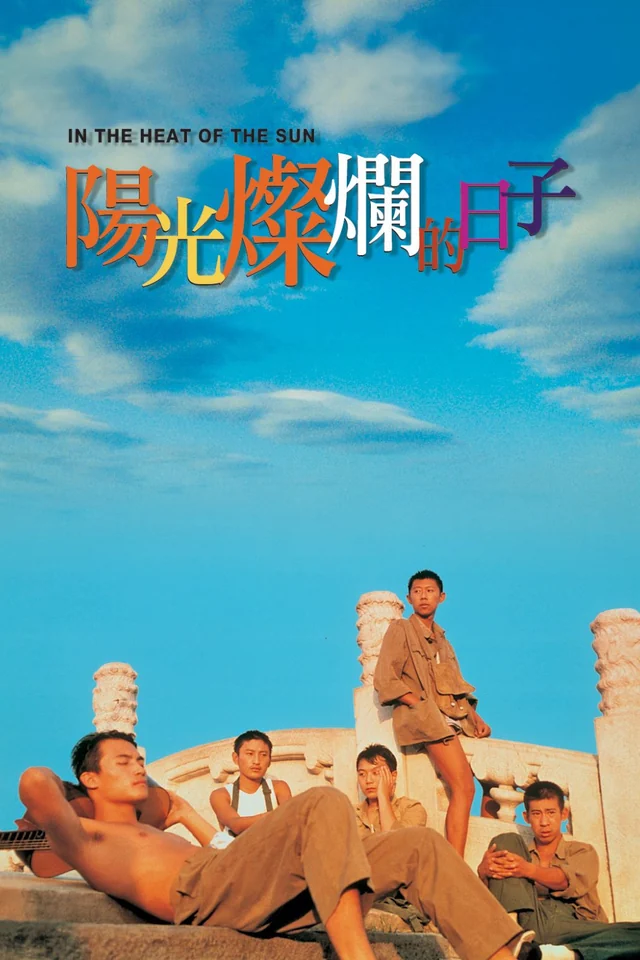
In the Heat of the Sun (Jiang Wen, 1994)
“In the Heat of the Sun” is a 1994 Chinese film directed by Jiang Wen which portrays the coming of age of a group of young people during the country's Cultural Revolution, through an intimate look at questions of belonging, the discovery of sexuality and the challenges of adolescence. The film is narrated by its protagonist, Ma Xiaojun, and in its very construction it addresses the theme of memory and of the narrative of a life, which is not always linear or reliable.
Movie
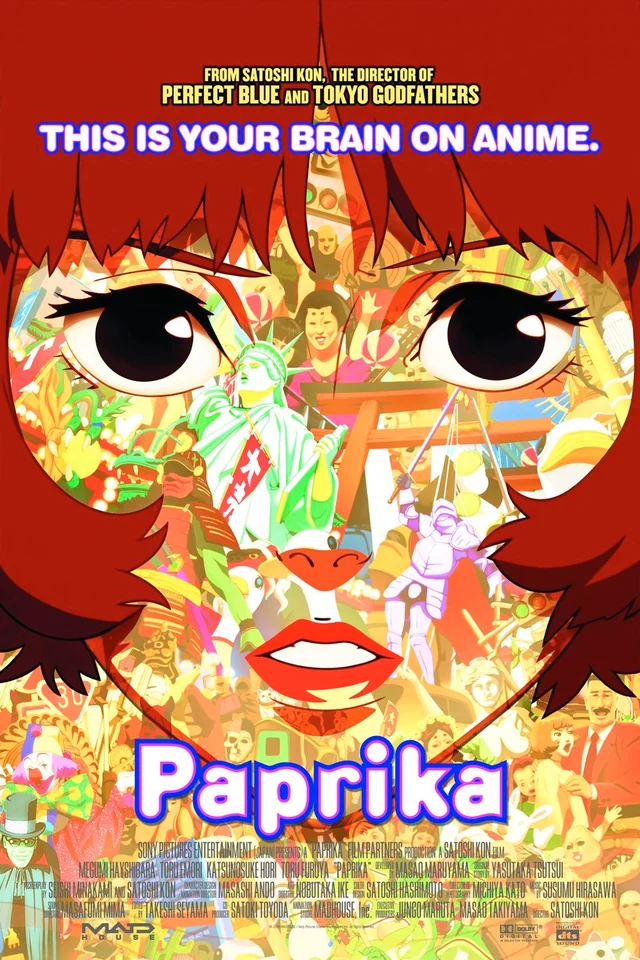
Paprika (Satoshi Kon, 2006)
“Paprika” is a Japanese animated film directed by Satoshi Kon and released in 2006. Starting from a technology that allows therapists to enter their patients' dreams, the film addresses questions such as trauma, technological advances and the limits between reality and dream.
Movie
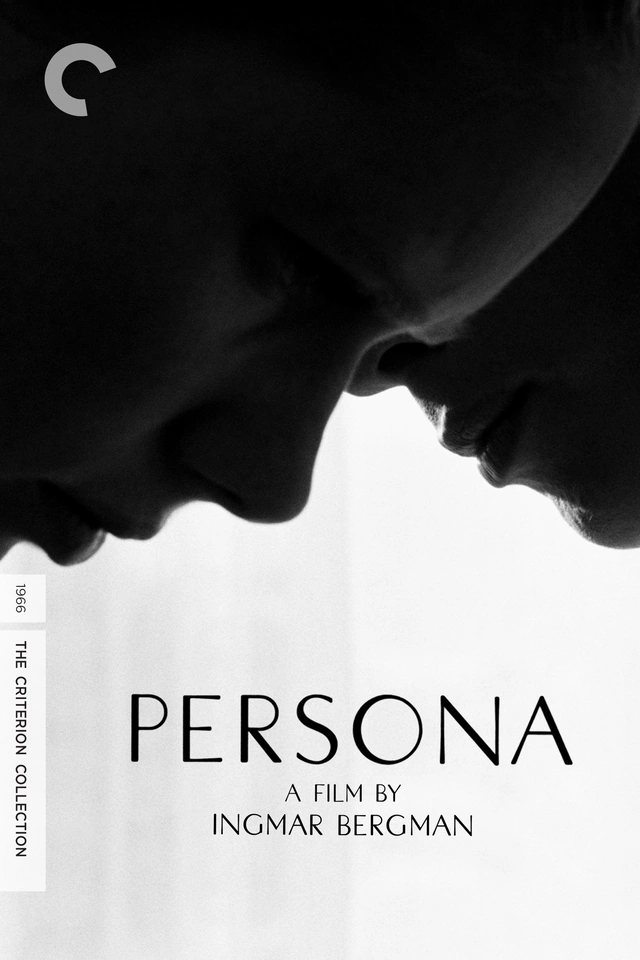
Persona (Ingmar Bergman, 1966)
“Persona” is a 1966 Swedish film written and directed by Ingmar Bergman. When a successful stage actress suffers an emotional breakdown and stops speaking, a nurse is assigned to care for her in an isolated house. The relationship between the two characters brings to the surface questions of identity, isolation and femininity.
Book
The Tartar Steppe (Dino Buzzati, 1940)
“The Tartar Steppe” is a novel by the Italian writer Dino Buzzati, published in 1940. The story follows the path of a young lieutenant who is posted to a remote outpost. The book addresses questions such as the passing of time, expectation and inhibition.
Book
Giovanni's Room (James Baldwin, 1956)
“Giovanni's Room” is an American novel written by James Baldwin in 1956. The book deals with the encounter and the relationship between two young men in the city of Paris. It addresses questions such as sexuality, masculinity and prejudice.
Book
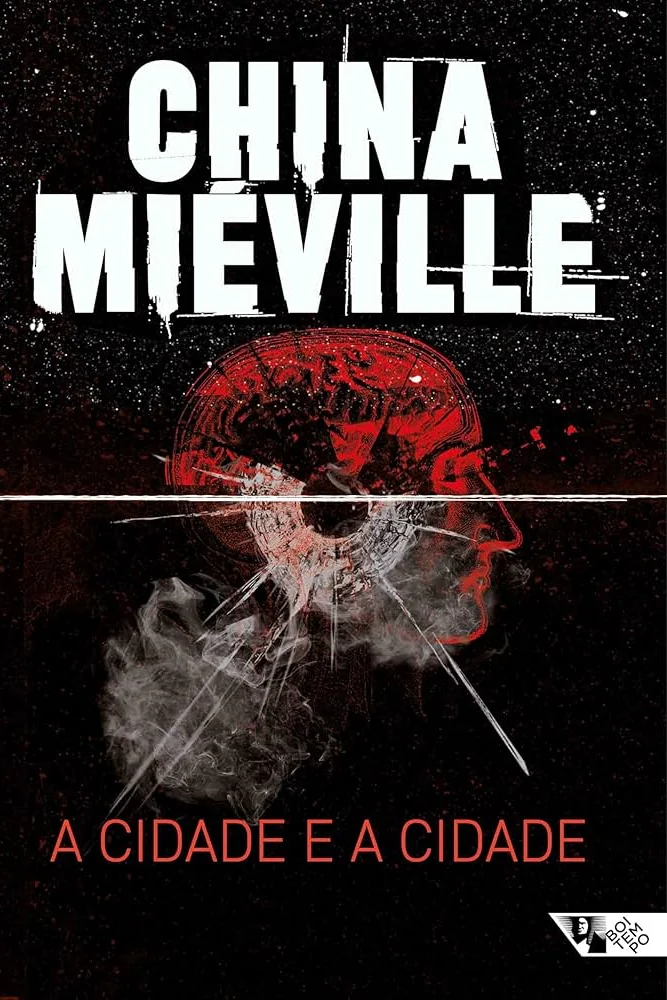
The City & the City (China Miéville, 2009)
“The City & the City” is a work of science fiction written by the British author China Miéville in 2009. The story begins with a wide-ranging murder investigation across two cities that exist simultaneously in the same space, each of whose citizens are forbidden to enter or even to acknowledge the other city. The book addresses questions such as social invisibility, cultural difference and politics.
Book
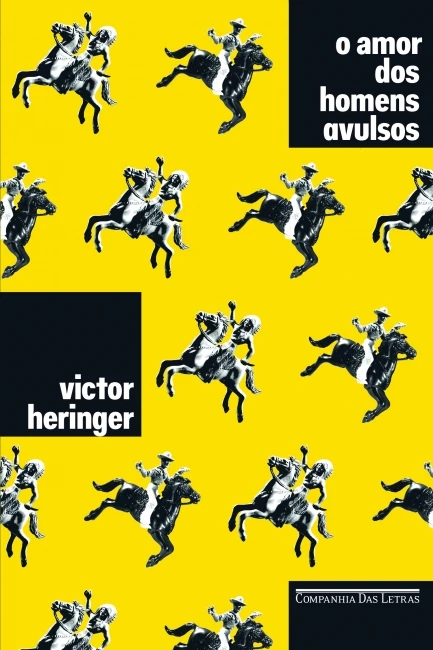
The Love of Singular Men (Victor Heringer, 2016)
“The Love of Singular Men” is a novel by the Brazilian author Victor Heringer, published in 2016. The story is narrated by Camilo, who recalls his youth in Rio de Janeiro. The book addresses questions such as the awakening of sexuality, violence and trauma.
Article
WHAT DOES ONE WANT?
The question “what do I want?” is often confused with “what does the other want from me?”, given that we are constantly bombarded with familial and cultural imperatives about what we ought to be or what we should want for ourselves. Is this really what I desire? Is it possible to desire beyond what the other expects of me? And after all, what is it that the other expects of me? Indeed, is there really any other expecting anything of me at all? These and other questions arise when we are confronted with the question of desire, and in the tireless attempt to formulate an answer we come up against the traps — but also the many possibilities — offered by language. Through speech, and through listening to what is being said, it becomes possible to identify the ideals that haunt the one who speaks and which, being themselves constructed in the field of language — out of what was heard, seen and taken in from the speech of another — cause suffering and paralysis in the capacity to desire. Analysis makes room for the exercise of speech and, therefore, for the opportunity to say oneself in ways other than those that were said to us by others throughout our lives.
Article
THE MISSING WORD
It is common to come up against the difficulty of saying exactly what we are thinking and of conveying with precision what we are feeling. In everyday relationships with family, friends and colleagues, and in love relationships, we sometimes feel misunderstood. Failures in communication cause us suffering and make us question what we say and whether the other is in fact listening to us. Words are missing — or the words, however abundant, fail to signify the totality of what we wish to say. In speaking we are constantly confronted with the impossibility of saying everything and, more than that, we are surprised by what is produced out of the very failure of our speech. Analysis is a space that welcomes what is strange to us in ourselves, making possible the production of a knowledge about oneself through the slips and stumbles of discourse.